
Want to know what your property is worth?
Want to know what your property is worth?
The housing market is to remain open during the second lockdown in England.
Uncertainty over whether estate and letting agencies will be classified as essential services under Thursday’s lockdown rules, has been clarified.
In a statement to the industry, the Government says: “Buying, selling and renting a home can continue, in a COVID-secure way, as it has in recent months. Estate and letting agents can operate, show homes and sales suites can remain open and property viewings, mortgage valuations and surveys can take place.”
Subject to approval, the regulations specifically state that activities relating to the sector are allowed to continue under exceptions to leaving home to undertake any of the following activities in connection with the purchase, sale, letting or rental of a residential property:
- visiting estate or letting agents, developer sales offices or show homes;
- viewing residential properties to look for a property to buy or to rent;
- preparing a residential property to move in;
moving house; - visiting a residential property to undertake any activities required for the rental or
- sale of that property.
V&H Homes have been operating under the Covid-19 Secure Guidelines since May and will continue to prioritise the saftey of our clients and staff whilst we remain fully operational.
We cover property sales and property lettings in Ashtead, Leatherhead, Fetcham, Epsom, Bookham and the surrounding areas.
If you are looking to sell, let, buy or rent a property, or if you are just looking for some advice, please call us on 01372 221 678.

If you’re the sort of person who enjoys watching shows like Homes Under the Hammer and thinks “I could do that!” then you’ve probably considered becoming a landlord at some stage.
But being a landlord is a tough business, and despite what some people may think, it’s not a licence to print money.
So, Rightmove have spoken to The Secret Landlord – who’s been letting, refurbishing and selling properties across the UK for almost two decades – for her top tips on what it really takes to succeed as a landlord.
An award winning landlord, as judged by the National Landlords Association, The Secret Landlord has provided accommodation for hundreds of tenants from all walks of life.
Scroll down to read their Q&A for some expert insight and hopefully you’ll learn plenty of top tips along the way!
RM: How important is budgeting as a landlord?
SL: It’s easy to get caught up and think little odds and ends don’t matter too much, but they do. Every penny of expense should be recorded and submitted. Accurate records need to be kept at all times. This will also make your life easier when they do make tax digital.
Too many investors worry about the big ticket items and don’t spend enough time thinking about the smaller spends. Money leaks out of businesses in weird and wonderful ways and you need to do your best to understand where it does to be sure you’re running an effective operation.
RM: How do you approach rent increases?
SL: Rent increases are controversial, especially when they involve long term good tenants. Rewarding tenants with no rent increases is one strategy, however another approach is to look at biennial incremental rent increases (market factors permitting). Small rises are an opportunity for you to remind good tenants they are being rewarded with a lower than market rate and allow you to build an ‘improvement pot’ to ensure your property remains in good condition.
It’s also important to understand the value of your business as a landlord where, unlike a homeowner, you will be a repeat customer for many trades and suppliers. This means you should seek out the best prices and service levels to provide the most you can for your tenants.
RM: How do you deal with things going wrong?
SL: No matter how much you try and future-proof and fool-proof a property it will always go wrong. Entropy is a fact of life. As an investor you must understand things will always decline, a roof will never fix itself and a problem will never go away until you solve it.
Solving problems always costs money and takes time and those things need to be factored in. Things will always take longer and cost more than what you initially expect, so it’s best practice to add another 10-20% to any estimate. If it comes in at price, you’ll be pleased with the ‘saving’.
RM: Is there much paperwork involved?
SL: Paperwork is a pain, but it’s also critical to ensuring you run a safe and reputable business. Records need to be kept of all ASTs, deposit certificates, gas and electrical work and ensure you diarise when things become due. Gas safety checks are annual, electrical checks are every five years, EPCs every ten years.
There are many free and low priced technical solutions available for making the headache of paperwork less stressful, which should be explored and used. Having adequate insurance is crucial, it’s best practice to also include legal expenses. Insurance is only as good as the policy small print, so it’s best to ensure you have a comprehensive one that fits your needs, not just the cheapest.
Be on top of when any guarantees, warranties and mortgage deals expire and shop around at least one month beforehand. Being prepared is key to getting the best deal.
RM: What’re your top pieces of advice for aspiring landlords?
SL: To make it as a landlord you need to be prepared for anything and everything to happen at a moment’s notice. It’s important to educate yourself and keep up-to-date with changing legislation. Landlord organisations are only a few pounds per month and offer excellent guidance along with helplines. There are also many resources available from property blogs to property forums and books. Building up a sinking fund is crucial and it’s advisable to save at least 15% of your rent for rainy days.
Like any business, buy to let has seasonal variances. Winter is worse for roof repairs, autumn for boiler problems and spring for windows and fencing. Adjust your budget so you can be ready for the year ahead. If you’re concerned by expensive boiler repairs, consider taking out a policy which protects the boiler in the event of an emergency.
Unfortunately, you cannot stop problems occurring, but the best course of action is to be prepared for when they do. If you’re going on holiday, or live far away from a property, it might be useful to take out an emergency policy to ensure repairs can be dealt with swiftly.
It’s not easy to always expect the unexpected, but planning ahead, keeping accurate records, having a good network of people and an emergency budget will help you sail through many storms.
If you are considering selling or letting your property in Ashtead, Leatherhead, Fetcham, Epsom, Bookham or the surrounding areas, call V&H Homes on 01372 221 678

Owning a leasehold property is extremely common in England and Wales, but it can be tricky to know exactly what it means.
Here, we’ve compiled a list of frequently asked questions on the subject so that you’re better equipped the next time you think about buying a leasehold.
I’ve found my dream home, but it’s a leasehold. What does that mean?
Leasehold is one of the most common ways of owning a flat/maisonette/apartment in England and Wales. The other option is freehold but, unlike freehold (where you own the property outright), leasehold only gives you exclusive ownership of the right to occupy the property for the length of the lease. This can be anything between 99 to 999 years when a lease is first created.
I’ve heard people mentioning ‘ground rent’, but will I have to pay it?
Unfortunately, there’s no way around this. Ground rent is what a leaseholder pays each year to their landlord. It can be a small amount (£10), or substantial (£200) per year. In some cases, the ground rent can increase considerably over short periods. Your solicitor should advise you if this is the case, but it’s a good idea to ask early on how much the ground rent is, whether it changes (and when) as well as the consequences of any increase.
Do ‘service charges’ apply to me if I buy a leasehold flat?
Again, you’ll need to set aside some cash for this. Service charges are your share of the cost of maintaining the building your flat/maisonette/apartment is in. It also covers the communal areas and the communal services. These charges are usually paid annually and in advance, but the amount will vary depending on the building, its age and condition. It’s important to ask your landlord about the cost of previous service charges and whether there are plans for large expenditure in the future, such as roof renewal or external painting.
I’m buying a flat in a large block on a development with communal heating and lifts, will this be expensive to maintain ?
It is difficult to know precisely what the cost of maintaining or renewing items like these will be. That is why it is always wise to establish early whether the property has a ‘reserve’ or ‘sinking’ fund. These terms are often used interchangeably, but the aim of such funds is that leaseholders contribute each year so that large expenditure for these works can be spread over a number of years, rather than a leaseholder facing a large service charge in the year the works have to be carried out.
I’m thinking of buying a leasehold flat, but how is the block maintained?
When you buy leasehold, you become a leaseholder, and, like any tenancy agreement, the lease sets out your rights and obligations. The landlord, usually a freeholder, will also have their rights and obligations set out in the lease.
Like any building, the block containing the flats will need internal and external maintenance. It may also have communal heating, or lifts that require maintenance. The freeholder is normally responsible for such maintenance, although the cost is passed on to leaseholders via the service charge. The freeholder will typically employ managing agents to manage the building on their behalf.
I understand that the building containing the flat I want to buy is managed by a professional agent, what could I do if I was unhappy about their handling of a complaint?
Building management can be complicated, so many freeholders will appoint an agent to do the day-to-day management tasks, like building insurance, organising regular and irregular repair and maintenance; and responding to enquiries from purchasers.
An agent managing a building containing flats should be registered with either the Property Ombudsman or the Property Redress Scheme. The law requires agents to join one of these redress providers in order that leaseholders dealing with property managers will be able to complain to an independent body about the service they have received.
I’m thinking of buying a leasehold flat in a retirement development, will I have to pay for any extras?
Potentially. There may be services and facilities, such as a warden (either live-in or visiting), and a 24-hour emergency call system. These may well be paid for by leaseholders through their service charges.
I have been told to look out for ‘event fees’ if I’m looking to buy a leasehold flat in a retirement development. What are these?
Event fees are common in retirement flat leases. They are payments that the leaseholder makes to the freeholder when the flat is sold on, or if it’s sub-let. The percentage is usually based on the sale price or the rent when sub-let.
In some cases, the fee is put into a fund for the continued running of the building or development to avoid large increases in service charges as time goes by. Such increases are worrying because pension income may not keep pace with them. In other instances, the payment is simply income to the freeholder and does not go towards any services. So, it’s important that at an early stage your solicitor asks whoever is managing the building(a) whether there are event fees (b) when they will arise and (c) what the payments will be based on.
How do I check on fire risks in a building where I would like to buy leasehold flat?
By reading the building’s fire risk assessment – your solicitor should ask for a copy from whoever is managing the building. All blocks of flats in England and Wales are required to have a, regular, fire safety risk assessment. It covers:
- how likely a fire is to start;
- what would happen if a fire started; and
- how to minimise the risk of fire starting or spreading
I would like to alter a leasehold flat after I buy it, but will I be able to?
Some leases ban alterations altogether, some allow it so long as you obtain consent, while others have no restrictions. Before buying you should check if you need the lessor’s consent ahead of making alterations. However, you may need to first approach the managing agent working on behalf of the lessor/landlord.
I hope to be able to sub-let a leasehold flat I’d like to buy, but will I be able to?
Some leases don’t allow any sub-letting, some require consent and others are silent (there are no restrictions on sub-letting) But because leases can vary, it’s important that you check with the lessor (your landlord, typically the freeholder), before buying, whether your flat has restrictions or conditions for sub-letting.
Can my leasehold expire?
Yes, like any tenancy, leasehold has a start and finish. Make sure you know how long is left before you buy, because as it gets shorter, it becomes more difficult to sell. Leases often start at 99 years or more, but they will get shorter as each year passes. Ideally, make sure the leasehold has over 80 years remaining. Lenders may insist on a certain length of lease, but each may have different requirements. Most set out their requirements in UK Finance’s Mortgage Lender’s Handbook. Your estate agent should be able to give you information on how long is left on the leasehold, and your conveyancer or solicitor should tell you.
You will have a right to extend the lease of a flat after two years of ownership, but you will have to pay the freeholder for this and the cost can be substantial, depending on the length left on the lease. If your lease expires, you have certain rights if you live in the property. But if you are to continue to live there you are likely to have to pay a market rent.
Here is a list of questions that you should ask your estate agent or solicitors when buying a leasehold flat:
- How many years remain on the lease?
- What is the current ground rent?
- Does the lease provide for the ground rent to increase?
- Can I see the last three years’ service charge accounts?
- Is there a sinking fund for the building and how much money is in the fund?
- Is any significant work expected to be carried out to the building in the future which will have a big impact on the service charges?
- Does the property have a managing agent; and, if so, are they registered with a redress provider?
- Can I alter the property?
- Can I rent out the property?
- Can I run a business from the property?
- Can I keep a pet at the property?
- Is there a residents’ association ?
If you are considering selling or letting your property in Ashtead, Leatherhead, Fetcham, Epsom, Bookham or the surrounding areas, call V&H Homes on 01372 221 678

As many of us get used to life away from the office, we have found that renters as well as buyers are looking to move into bigger homes with more space to work from home.
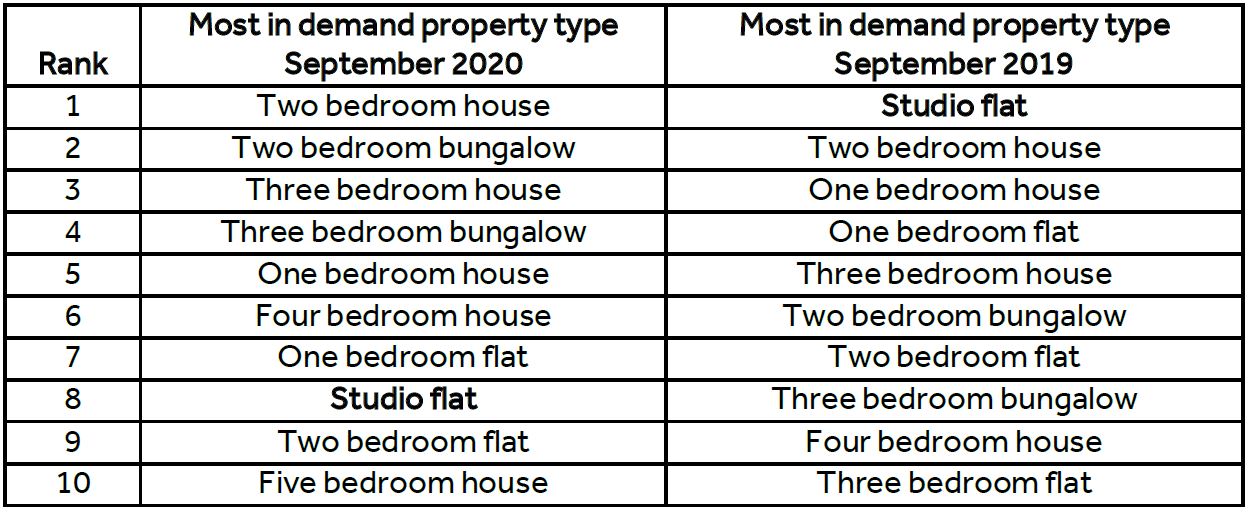
Our data analysts looked at the most popular homes among renters in September 2019 compared with September 2020, and the findings show a big change compared to this time last year.
In September 2019, the most in demand property type was a studio flat, followed by a two-bedroom house.
Last month, however, not only had two-bedroom houses overtaken studio flats as the most in demand home, studio flats had fallen seven places – behind bungalows and houses.
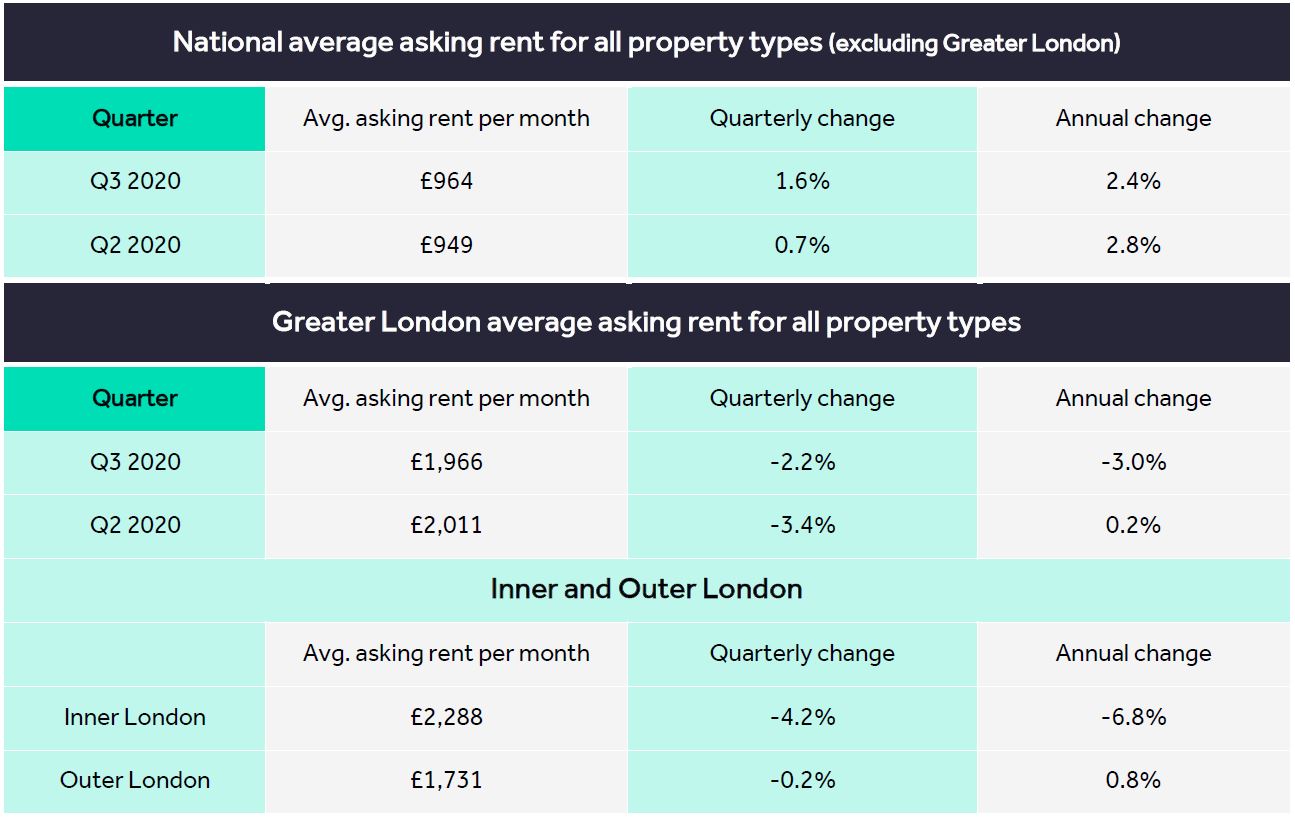
Across the rental market as a whole, asking rents have soared to an all-time high outside London to £964 per month, driven by record demand from renters.
Regionally, asking rents are up 4% in the South West and up at least 3% in the North East (+3.3%), North West (+3.1%) and Yorkshire & the Humber (+3.0%).
The number of rental homes on the market is up by 20% compared to this time last year, though because of increased competition, available stock is up by just 2% nationally, but up by 80% in London.
What’s happening in London?
London is the only region where rents are falling. They’re down 6.8% in Inner London, but in Outer London they’re up by 0.8%.
Asking rents have been falling since the beginning of lockdown in the capital, and are now an average of £110 per month lower than back on 23rd March at the start of lockdown.
Looking at property types in London, asking rents of studio flats are 3.5% lower than this time last year, one-bedroom flats are down by 3%, and two-bedroom flats are down 4%. Two-bedroom houses are faring better, up by 0.7%.
What do the experts say?
Our resident property expert Miles Shipside explained that high levels of demand for bigger rental homes, which are usually more expensive, have pushed asking rents to a record high.
He said: “Landlords with a large portfolio of studio flats may find they need to accept lower rents than over the past few years, although let’s not forget that overall rents have gone up by £100 per month outside London and £140 in the capital over the past five years so those with a longer term view will still be able to make some good returns.
“It will be the accidental landlords that have one property that need a good agent more than ever, to promote the attractive attributes of their buy-to-lets. I’ve heard from some agents that they’re now advising their landlords to turn part of the living room into a work from home space, or offering to install high-speed broadband for tenants as an added incentive.
“The rise in demand for properties that have more space and that typically have higher rents is helping push up average rents to new record highs.”
What are estate agents seeing?
Michael Cook, National Lettings MD at LRG, said: “We’ve moved more customers this September than any month previously, which is largely due to pent-up demand from tenants.
As some of the restrictions imposed during the pandemic began to lift, there was a documented surge in enquiries from renters who were restricted from moving over the spring. Changes to stamp duty also saw some investors take advantage of reduced acquisition costs of new properties and an increase in buy-to-let purchases.
However, we’re still seeing a gap in supply and demand and the need for more homes – many thousands more homes in the Private Rented Sector – is clear. At the same time, COVID has changed tenant priorities, with many now wanting bigger homes with gardens and a separate space to work in, and this now comes at a premium.
Demand for rental stock outside of London has outpaced that shown in the capital with a requirement for more home working space and gardens and a reduction in the need to be in such close proximately to the office, with more flexible homeworking being offered by employers. We’ve also seen houses increase in demand over flats with people looking to rent properties for longer, increasing average tenancy lengths.”
If you are considering selling or letting your property in Ashtead, Leatherhead, Fetcham, Epsom, Bookham or the surrounding areas, call V&H Homes on 01372 221 678

With many homeowners rushing to sell their properties and others looking to move thanks to the Stamp Duty holiday, homeowners have revealed the features they’re looking for, and the one’s they’re keen to avoid. According to new research from Hammonds Furniture, certain features could knock an average of £49,471 off your home.
Noisy neighbours, pet smells, pebble dash, being near a pub and the notorious Japanese knotweed are some of the most undesirable features of a house that would convince homeowners to ask for a discount or put them off a purchase altogether.
However, the two things most likely to put a potential homebuyer off a house were mould or damp on the walls (62%) and signs of a pest infestation (57%). Michael Patterson, Managing Director of WeBuyAnyHouse, claims these issues can knock a huge 20% off a property’s value, or £49,471 off the average house price of £247,355.
He said: “Mild cases of mould may not affect value too dramatically if all is needed is a dehumidifier and some mould-resistant paint, but very severe cases can reduce a property’s value up to 20%. Pests can also cause extensive damage, especially rats that are prone to chewing through electrics and wooden beams, which you would need to repair. Depending on the damage done, you could be looking at between 5-20% of a decrease in value”. However, while it’s common to be put off by signs of disrepair and neglect that may cost a significant amount of money to fix, surprisingly, a large number of homebuyers also claimed to be put off by features that can be quickly rectified.
A third of people (33%) would be put off a house if it had a messy garden, which could knock off up to 20% of a properties price, according to Michael. A quarter (24%) of people would look elsewhere if the house had ugly wallpaper, and two in ten (19%) people would be put off by holes in the walls from hanging pictures or paintings. A huge 37% of people would find pet smells off-putting, and 28% would reconsider a purchase if a house had a weak shower.
Many features that are out of a property owners’ control have also been proven to be detrimental to the price of a property. Four in 10 (39%) people would reconsider a purchase if a house if it had a “messy looking” neighbouring house (39%), almost half would if they could hear noisy neighbours (48%) and a surprising three in 10 people would dislike the thought of a pub nearby (32%). Perhaps less surprising, 14% would be put off buying a house if the road had a rude street name.
Other house buyers also claimed that they would be put off by features that others might find attractive; one in 10 people (10%) wouldn’t choose a property if it had a swimming pool or hot tub, and 13% would dislike laminate flooring.
When it comes to features that house buyers would pay more for, a garden tops the list with almost half of all homebuyers (45%) claiming that they would pay more for outside space. This is closely followed by a garage (37%) a conservatory (31%) and a loft conversion (27%).
Only 15% of people would pay more to be close to public transport, just 13% would pay more for a log burner and only 8% of people would be swayed by smart meters in the home.
According to Michael: “A nice sized garden can add up to 25% more on a house price, especially if it is well maintained with a seating area for the summer. A carriage driveway can add up to 15%, and an attractive conservatory can add up to 10% to a house price. If a loft conversion can be used as an extra bedroom, it can add 20% to a property price.”
Holly Herbert, Head of Content at WeBuyAnyHouse, offers her advice:
“In general, to get a house in a good position to sell I would say decoration is key – freshly painted walls make a big difference, even if it’s the same colour as before, as it will make the place brighter and remove any scuffs and marks. Gathering all information about the house for viewers is also important; general running costs, council tax band, local transport links. Getting it all in one place so you have it to hand with no hesitation is something buyers appreciate. And don’t forget to take the best possible advertising photos.”
Kirsty Oakes, Head of Product and Marketing at Hammonds Furniture, said:
“We all have something in mind when we begin a search for our next home, but there are certain features that for many people could be an absolute dealbreaker. However, some of these features are surprisingly quick and simple to amend if you are looking to sell your house.
“If you’re selling, you can make your house look much more appealing by making some small changes, such as filling in holes in the wall or switching to a neutral colour pallet. A deep clean can make a huge difference to how your property is perceived, and well as clearing away extra clutter (even if you just store it in your car). Don’t be afraid to ask your neighbours to clean their garden as well!”
If you are considering selling or letting your property in Ashtead, Leatherhead, Fetcham, Epsom, Bookham or the surrounding areas, call V&H Homes on 01372 221 678
As you may know, on the 24th September the government tightened some of the rules which are in place to limit the spread of the coronavirus.
Most of these measures don’t differ hugely from the existing ones, but the changes that were introduced mean that:
- We should work from home as much as possible
- Pubs and restaurants should not remain open after 10 pm
- Staff working in hospitality or retail must wear face masks* too (see note below, about estate agents)
- Events such as weddings are now limited to a maximum of 15 people (down from 30)
These kicked in on 24th of September in England only.
There are many details within the guidance, but the government has said that the three most crucial elements continue to be:
- Wash your hands – with soap, regularly, and for at least 20 seconds
- Cover your face – especially when in an enclosed space with people you don’t usually meet with, and where socially distancing is difficult
- Social distancing – stay two meters apart as much as possible
How will these rules affect my move?
There haven’t been any updates that are specific to the property market, so the guidelines that are currently in place still stand.
This means that you’re totally free to move homes if you want to – as long as you’re not self-isolating or quarantining.
Here’s a quick recap of some of the most important rules to keep in mind when moving homes:
Viewings
Try to do a virtual viewing first, if it’s an option. It’ll reduce the number of viewings agents do, which also minimises the spread of germs.
It could also save you time, because you’ll have a better idea of whether a house is worth seeing or not.
When viewing a property in person, make sure you wear a face mask, avoid touching surfaces, and wash your hands or use sanitiser before and after.
There shouldn’t be more than two households within the property at any one time, and viewings should only be arranged by appointment, so ‘open houses’ aren’t happening at the moment.
If you’re selling your home and are having interested buyers come around to have a look, open all the inside doors beforehand so they don’t have to touch the door handles.
It’s recommended that you’re not in the property during the viewing, and that you disinfect all surfaces after.
Offers through to completion
You’re free to make or accept an offer or reserve a property as normal.
But it’s possible that in some areas the conveyancing process will be slower than usual, as some solicitors and agents may be operating at limited capacity, or are very busy working through deals that have stacked up since earlier in the year.
If you are about to enter into a legally binding contract, you should discuss the possible implications of one of the parties being affected by having to self-isolate or quarantine. Ask your legal representative if they can include provisions to manage these risks in the contracts.
If someone in your household – or the other party’s – began to show any flu symptoms just as you’re about to complete, you’ll probably need to postpone things by a few weeks.
The government says we should all remain flexible in this sort of scenario, so it would be ideal if your contracts can reflect that.
Moving
Removal firms are able to carry out work, as long as all the usual procedures that ensure everyone’s safety are in place.
Do as much as you can of the packing yourself, and if at all possible, give your belongings a quick spray or wipe-down with a disinfectant before they’re handled by someone else.
When the removals’ team is around, do your best to maintain distance and wash your hands regularly. Unfortunately you won’t be able to offer them refreshments – which of course they’ll understand. We recommend that you book your removals company as early as possible.
If you are considering selling or letting your property in Ashtead, Leatherhead, Fetcham, Epsom, Bookham or the surrounding areas, call V&H Homes on 01372 221 678

The latest data and analysis from ARLA Propertymark has revealed that the number of new prospective tenants continued to rise in August, hitting the highest volumes on record with 101 registered per branch.
According to the figures, the spike in demand breaks July’s previous record of 97.
ARLA data shows that the number of rental properties available per letting agent branch in August was 208. This remained the same as the record-high figure recorded in July, which beat the previous record of 192 properties managed per letting agent branch in July 2017.
The average tenancy length was at an all-time high for the month of August, with tenants staying in their properties for 21 months on average. Regionally, this figure was highest in the East Midlands with tenancies lasting 25 months and the lowest in the North East, with tenancies lasting an average of 10 months.
The number of tenants experiencing rent increases rose in August, with 48% of agents witnessing landlords increasing rent compared to 29% in June and 39% in July. Year-on-year, this is still 16% lower than in August 2019, when the figure stood at 64%.
Angela Davey, President, ARLA Propertymark, said: “Our latest figures reveal the rental market still isn’t showing any signs of slowing down. We continue to see record-breaking levels of rental stock and demand from tenants, painting a positive picture for the future of the private rented sector. With Covid-19 lockdown restrictions starting to increase again as we head towards the colder months, it’s more important than ever for landlords to communicate well with their tenants, and that tenants continue to pay their rent to ensure the market remains strong over the next period.”
If you are considering selling or letting your property in Ashtead, Leatherhead, Fetcham, Epsom, Bookham or the surrounding areas, call V&H Homes on 01372 221 678

From Wednesday 8th July 2020 until 31st March 2021, if you complete on the purchase of a residential property you only start paying Stamp Duty Land Tax (SDLT) on the amount that you pay for a property above £500,000.
During this time, the special rules for first time buyers are replaced by the new reduced rates.
You can use the table below to work out the SDLT due:
|
Property or lease premium or transfer value
|
SDLT rate
|
|
Up to £500,000
|
Zero
|
|
Next £425,000 (£500,001 to £925,000)
|
5%
|
|
Next £575,000 (£925,001 to £1.5M)
|
10%
|
|
Remaining amount (above £1.5M)
|
12
|
EXAMPLES
Rectory Lane, Ashtead - £535,000
Previous SDLT: £16,750
Current SDLT: £1,750
Keswick Road, Fetcham - £1,200,000
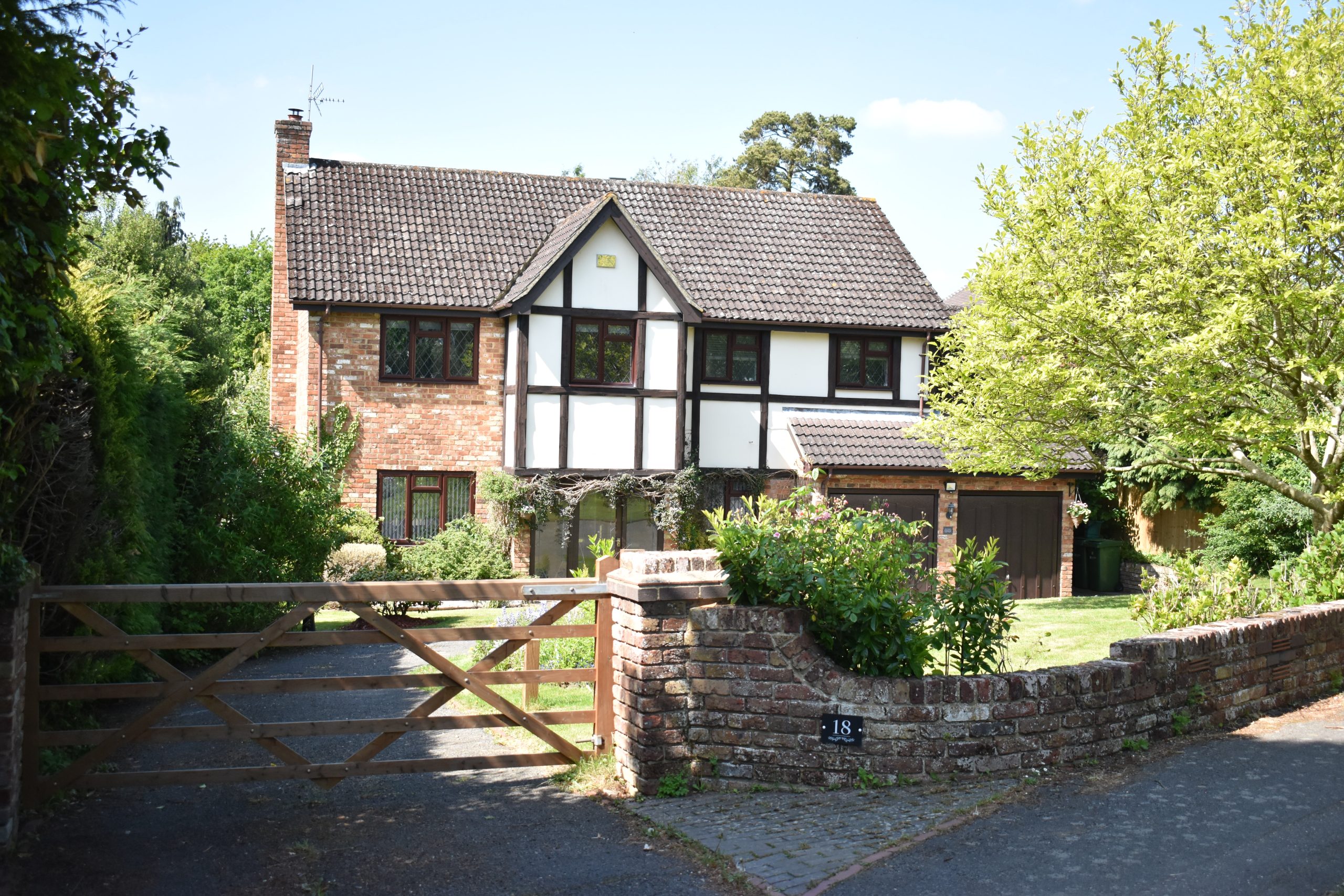
Previous SDLT: £63,750
Current SDLT: £48,750
Levett Road, Leatherhead – £265,000
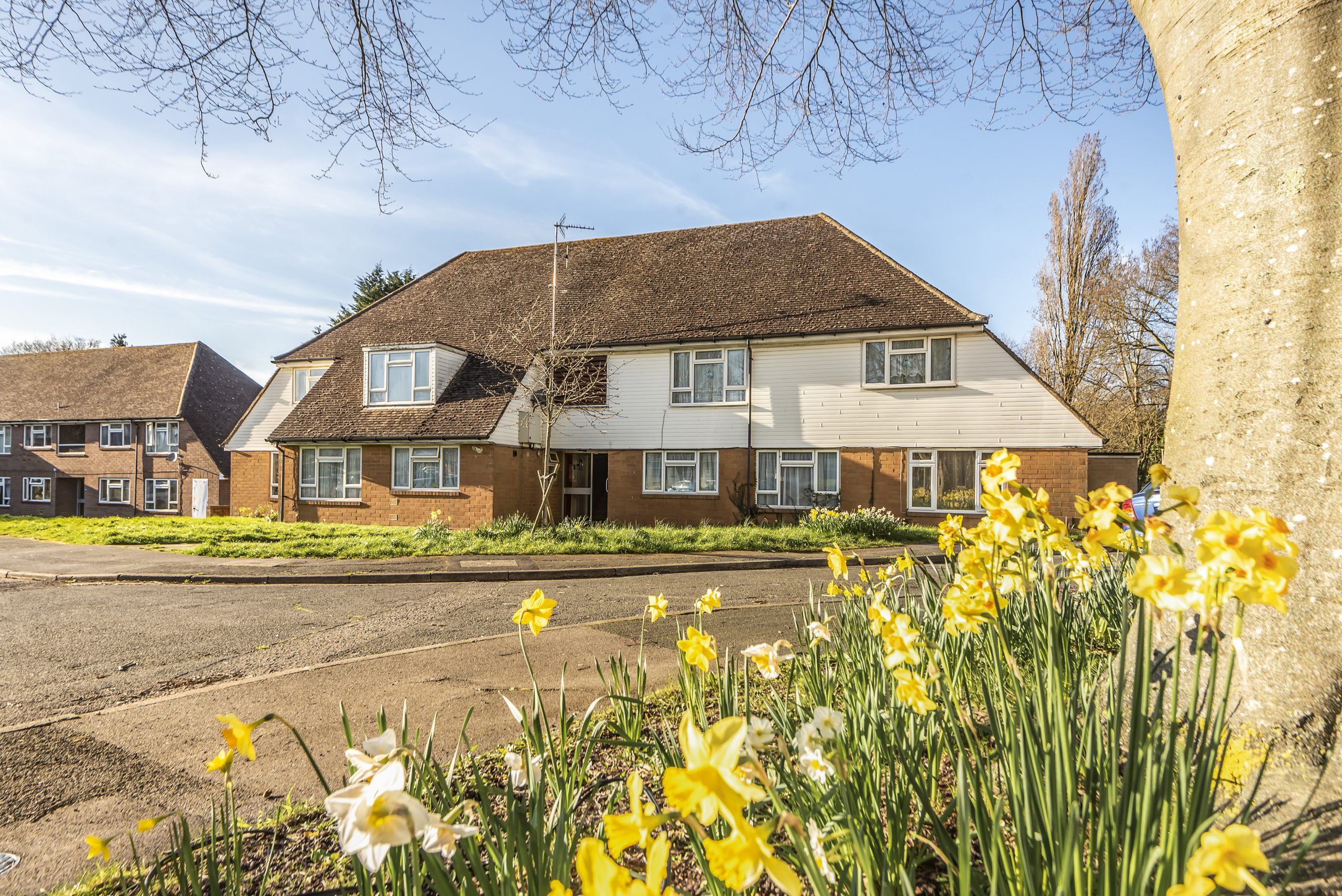
Previous SDLT: £3,250
Current SDLT: £0
Ruden Way, Epsom - £1,100,000

Previous SDLT: £ 53,750
Current SDLT: £ 38,750
Additional property purchases will also benefit from this reduction; however, they will still pay the additional 3%.
The following rates apply for additional properties:
|
Property or lease premium or transfer value
|
SDLT rate
|
|
Up to £500,000
|
3%
|
|
Next £425,000 (£500,001 to £925,000)
|
8%
|
|
Next £575,000 (£925,001 to £1.5M)
|
13%
|
|
Remaining amount (above £1.5M)
|
15%
|
Please see the government guidance for further details :
https://www.gov.uk/guidance/stamp-duty-land-tax-temporary-reduced-rates
If you are considering selling your property in Ashtead, Leatherhead, Fetcham, Epsom, Bookham or the surrounding areas, call V&H Homes on 01372 221 678 or click on the below link to arrange a valuation.


Covid-19 Advice
V&H Homes are excited to announce that as of 8.30am on Thursday 14th May, we have resumed our services once again, to include physical viewings and valuations.
At V&H Homes, the health, safety and well-being of the whole community and our staff are our priority. We are continuing to follow the government’s advice and have summarised the guidelines below to ensure everyone’s protection.
Preparing to buy, sell or move home.
- You can begin to market your home and we are able to visit to take photos/videos of the property, whilst adhering to strict social distancing rules.
- If you wish to view a property we are marketing you should make contact via email or telephone and an appointment will be made. You will not be able to view without an appointment.
Making Offers or Reservations
- You are free to make or accept an offer or reserve a property as normal.
Valuations
- If you have booked a physical valuation with V&H Homes and any member of your household is showing symptoms of coronavirus or is self-isolating, please alert us as soon as possible, so that we can delay the appointment.
- During the appointment, please follow the social distancing rules (2m) wherever possible between yourself and the agent.
- Prior to our visit, we ask that you ensure the property is well ventilated and any internal doors left open.
- We will be able to carry out video valuations of your home if you do not wish us to visit.
If you are viewing a property
- If you have booked to view a property and any member of your household is showing symptoms of coronavirus or is self-isolating, please alert V&H Homes as soon as possible, so that we can delay the viewing.
- We will carry out viewings in person once we know that you have a strong interest in the property.
- You will need to arrange your own transport to view a property – please try to avoid public transport.
- The number of people on a viewing should be minimised to those from your household that absolutely have to be there. Please avoid bringing any children to the viewing.
- We will accompany viewings, but please follow the social distancing rules, keeping 2m (6ft) between yourself and the agent.
- During the viewing, you should avoid touching surfaces, wash your hands regularly, and bring your own hand sanitiser.
If you are living in a property to be viewed
- If you are living in a property to be viewed and any member of your household is showing symptoms of coronavirus or is self-isolating, please alert V&H Homes as soon as possible, so that we can delay the viewing.
- You should open all the internal doors prior to the viewing, and allow access to handwashing facilities and ideally separate paper towels.
- As most people choose to do, we encourage that you vacate your property whilst viewings are taking place in order to minimise your contact with those not in your household.
- Once the viewing has taken place, you should ensure surfaces, such as door handles, are cleaned with standard household cleaning products and towels disposed of safely or washed as appropriate.
Moving
- Removal firms can operate whilst following government guidance and social distancing rules.
- We encourage you to contact your removal firm as early as possible in advance of your move.
- You should try and do as much of the packing yourself, if possible.
- Where possible, you should clean your belongings before they are handled by others.
- Whilst removers are in your home, you should maintain a distance of at least 2m and open internal doors.
- All parties should wash their hands and avoid touching surfaces.
- You should not provide refreshments but should ensure hand washing facilities are available.
To view the full detailed Government guidelines, go to the following webpage:
https://www.gov.uk/guidance/government-advice-on-home-moving-duringthe-coronavirus-covid-19-outbreak
The housing market has reopened!
The government has announced the property industry can go back to work and that viewings can re-commence. Valuations, surveys and photo appointments can take place - however strict social distancing must be adhered to and it is vital we keep you, your home and our staff safe.
If you are looking to sell, let, buy or rent a property, or if you are just looking for some advice, please call us on 01372 221 678.

According to tax specialist, Imogen Lea, financial penalties due to ‘seismic’ changes to CGT payment rules could heavily impact people selling buy-to-let properties.
From April 6th, anyone who disposes of a residential property giving rise to a capital gain on which CGT is payable, will be required to make a digital return to HMRC and to pay an estimate of the CGT due within 30 days from the sale completing.
People will also no longer be able to benefit from a possibly substantial sum of money remaining in their hands for up to 22 months after residential property disposal.
Imogen, a consultant in Clarke Willmott’s Taunton private capital team, says: “This is a very big change and could easily catch people out. Interest on the unpaid tax and other financial penalties will be due if the rules are not followed. The risk of such a tight turnaround is people being unaware of the changes and failing to comply. They need to be aware of the vastly reduced time limits and to be ready to make the return and estimate the CGT due.
CGT computations are not always straightforward, which could mean that if people are not prepared, they might not be able to collate the information necessary to make the CGT calculation in time.”
The changes will potentially affect owners of holiday homes, buy-to-let properties, main residences which have been let out at some point, owners of homes with grounds in excess of half a hectare, and owners of houses which have been partly used for business purposes.
Imogen says the changes will not generally apply on the sale of a person’s main residence, but will be relevant on the sale of second homes, and where the main residence exemption does not apply for any reason.
“Gains are not always straightforward to calculate – if an owner has made improvements to the property the cost of these will be deductible from the capital gain, but if there have been numerous improvements over many years it may be challenging for the client to find all the supporting documentation.”
Imogen urges property owners to make an early start of compiling the required information and to start thinking about the CGT position as soon as the property goes on the market.
CGT is calculated by treating the gain as the highest amount of the owner’s income during the tax year in question, and therefore clients will need to estimate their income during the tax year of disposal as this will impact on the CGT rate applicable to the gain.
Personal representatives and trustees, as well as individuals, will be required to comply with the new rules. Meanwhile, gifts of properties also give rise to a disposal for CGT purposes triggering the new requirements.
John Bunker, chair of Chartered Institute of Taxation’s private client UK committee, has branded the new reduced deadline as “a seismic change”.
If you are interested in buying selling or letting a property in Leatherhead, Fetcham, Ashtead, Bookham, Epsom or surrounding areas then please call the office on 01372 221 678 to speak to a member of the team.

We often hear stories of first-time buyers who may not know what to ask or may be too embarassed to ask, what are actually really sensible questions. Hopefully the questions we have collated below should help when it comes to making that all-important decision.
1. Why are the current owners looking to sell the house? This information will help when it comes to putting in an offer. It's good to find out how motivated they are and if they need to move quickly.
2. How long has the house been on the market? The time it takes to sell a property varies depending on local market demand and the price and type of property, so it shouldn't put you off if it's been on for a few months. At the minute, the average time is 63 days from the time a home is added to Rightmove until a buyer is secured.
3. Has the house had any major building works recently? it is reccomended that you have a full structual survey on a property you'd like to buy, but you can ask some questions before then as well.You could ask on the viewing if the house has been extended and how long ago that was. It's also worth asking if there's any potential to extend the property, but bear in mind this will need to through planning permission to may not be approved.
4. What's the parking situation? If your property doesn't come with a garage or parking space, you'll have to work out where you can park and if you need a permit.
5. How much are the utilities? Ask the agent how much the council tax is for the area, and also have a look at the EPC which is available on the property listing to see how energy efficient the house is.
6. Is the property part of a chain? This may give you some bargaining power. If a seller has already found their next property they may be willing to accept a lower offer to secure the sale. However, if they aren't then you might become part of a longer chain so you need to think about how long you're willing to wait.
7. Does the local area have any issues to be aware of? investigating the location propertly is massively important. Do you research. Drive to the house during rush house and ask the neighbours what they think of the area. Also, if you're new to the area and will be commuting by train or bus, try and visit the area both day and night.
8. What's included in the sale? Get as much information as you can here. For exmaple, will any white goods be included?
9. Who are the neighbours? How much this answer affects your decision will vary from buyer to buyer. Noisy neighbours who party all night long could be a massive turn off for some people.
Happy buying!
If you are interested in selling/renting or buying a property within Ashtead,Leatherhead,Epsom,Fetcham,Bookham then please don't hesitate to call the office on 01372 221 678.